
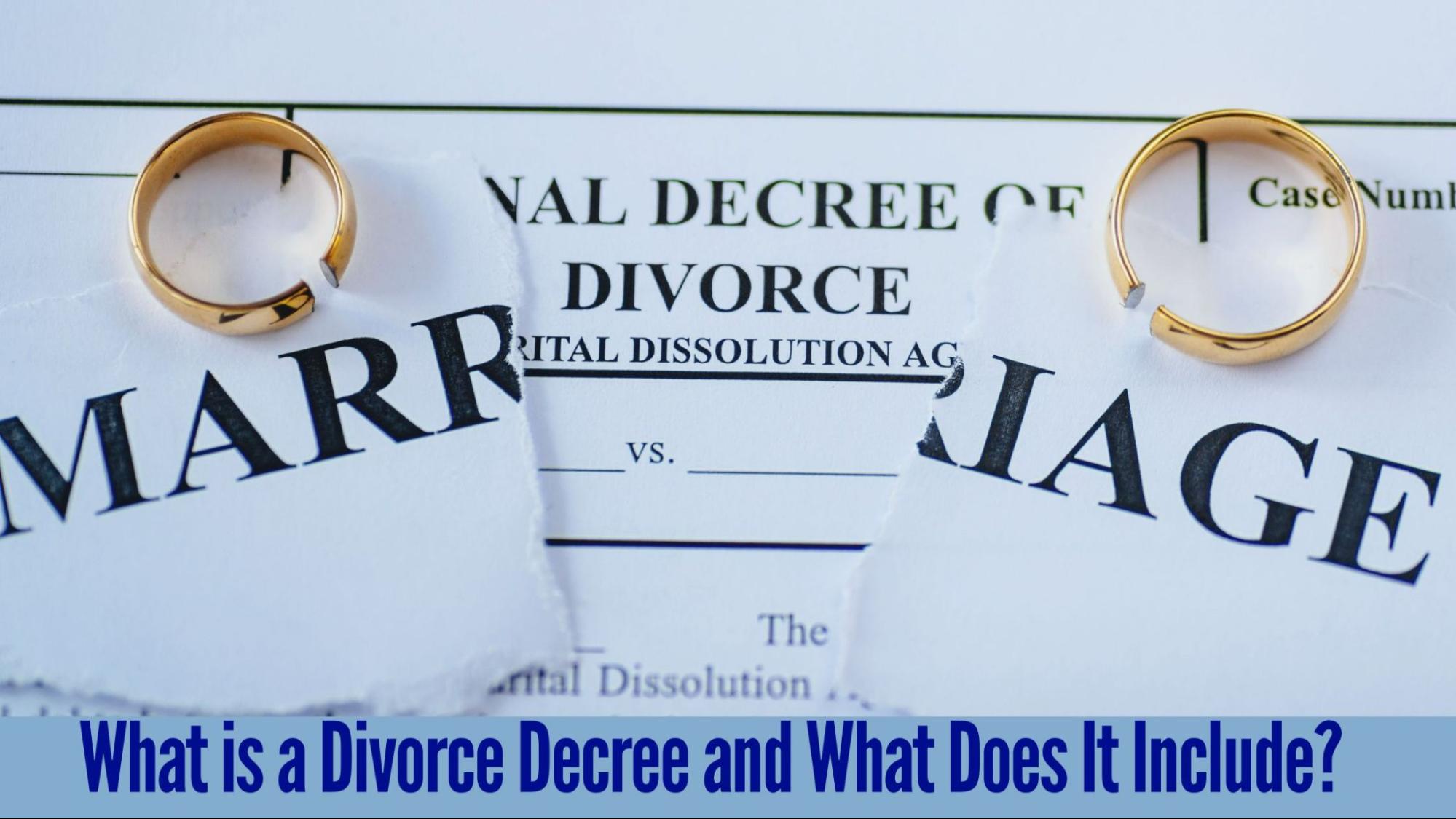
Most people assume the divorce decree is just the finish line. The paperwork that says it’s over.
It is not. It is a legally binding court order that will govern significant parts of your financial life, your parenting arrangements, and your obligations for years, sometimes decades, after your marriage ends. Errors in it follow you. Vague language in it gets exploited. And once it is signed and entered by the court, changing it requires going back to court.
That is worth understanding before you sign anything.
What Is a Divorce Decree?
A divorce decree is the final order issued by the court that officially dissolves your marriage. In New York, it is entered by the Supreme Court, which handles all divorce matters. The moment it is signed and filed, you are legally divorced.
But it is more than a status change. The decree incorporates, either by reference or directly, all of the terms your case resolved: how your assets are divided, what happens with support, how your children’s lives will be structured. Every agreement you reached, whether through negotiation or litigation, becomes part of this document. The court’s order also known as the Judgment of Divorce makes it enforceable.
What Does a Divorce Decree Include?
The specifics depend on your case, but a complete New York divorce decree will typically address:
Equitable distribution of marital assets. This covers the division of real property, bank and investment accounts, retirement assets, business interests, deferred compensation, stock options, RSUs, and anything else considered marital and separate property. How those assets are valued and divided, and how transfers are handled, all lives in the decree.
Spousal support. If spousal support (also called maintenance) was awarded, the decree specifies the amount, the duration, and the conditions under which it may be modified or terminated.
Child custody and parenting time. The decree sets out the legal custody arrangement (sole or joint), the physical custody schedule, holiday and vacation provisions, and protocols for decision-making on education, medical and healthcare, extracurricular activities, camp and religion. The more detailed this section is, the less room there is for future conflict.
Child support. New York calculates child support under a specific statutory formula. The decree will specify the amount, how it is paid, and how certain add-on expenses like medical costs, education, and extracurriculars are handled.
Division of retirement accounts. Transfers of retirement assets may require a separate document called a Qualified Domestic Relations Order (QDRO). The decree will reference this, but the QDRO must be separately prepared and approved by the retirement plan administrator. This step is often delayed or overlooked, and it creates real risk. You must make sure that you receive your share of the retirement assets.
Tax provisions. Depending on your situation, the decree may address which parent claims the child as a dependent, how any outstanding tax liability is allocated, and indemnification language protecting each party from the other’s tax obligations.
Debt allocation. Marital debts get divided too. The decree should clearly assign responsibility for mortgages, credit card debt, car loans, and any other liabilities. It should also indemnify you and hold you safe, harmless and satisfied in connection with your ex spouse’s debts.
What Is the Effective Date of a Divorce Decree?
In New York, your divorce is legally effective on the date the judge signs the judgment of divorce. Not the date you reached a settlement. Not the date you separated.
This matters for a number of practical reasons: health insurance coverage, beneficiary designations, filing status for taxes, and the ability to remarry all may turn on that date. Look carefully at the language of your divorce decree as in some instances, the divorce decree may need to be entered with the county clerk and even served with notice of entry before timelines run. Make sure you receive a certified copy of the final judgment and that you update your beneficiary designations, estate planning documents, and financial accounts promptly.
What Happens If a Divorce Decree Is Not Followed?
This is where the legal weight of the document becomes very clear.
A divorce decree is a court order. Violating it is not just a contract dispute. It is contempt of court. If your former spouse fails to pay support, refuses to transfer assets, violates the custody schedule, or ignores any other term of the decree, you have enforcement options, and they are serious ones.
In New York, you can file for enforcement in the Supreme Court or, in certain matters involving support or custody, in Family Court. Remedies can include wage garnishment, asset seizure, modification of terms, and in serious cases, incarceration.
Do not let violations accumulate. The longer a pattern of non-compliance goes unaddressed, the harder it can become to enforce, and the more it signals to the other side that the terms are negotiable. They are not.
Why the Language in Your Decree Matters
A decree that uses vague language is an invitation to future litigation. I have seen clients return to court years after their divorce over terms that were left ambiguous: what counted as a “bonus” for support calculation purposes, who was responsible for a specific debt, what “reasonable notice” meant for parenting schedule changes.
Every ambiguity in a divorce decree has a cost. Getting the language right the first time, specific, precise, and covering the scenarios that actually arise in real life, is one of the most important things your attorney can do for you.
If you are heading toward a divorce or reviewing a proposed settlement, I encourage you to schedule a consultation with a trusted divorce attorney. Understanding exactly what you are agreeing to before it becomes a court order is the only way to protect yourself on the other side of it.
The information in this article is for general educational purposes only and does not constitute legal advice. Please consult a qualified New York divorce attorney regarding your specific circumstances.